


Bulgaria after euro 2026-low property prices by the sea


Apartments in Bulgaria after joining the euro area (2026)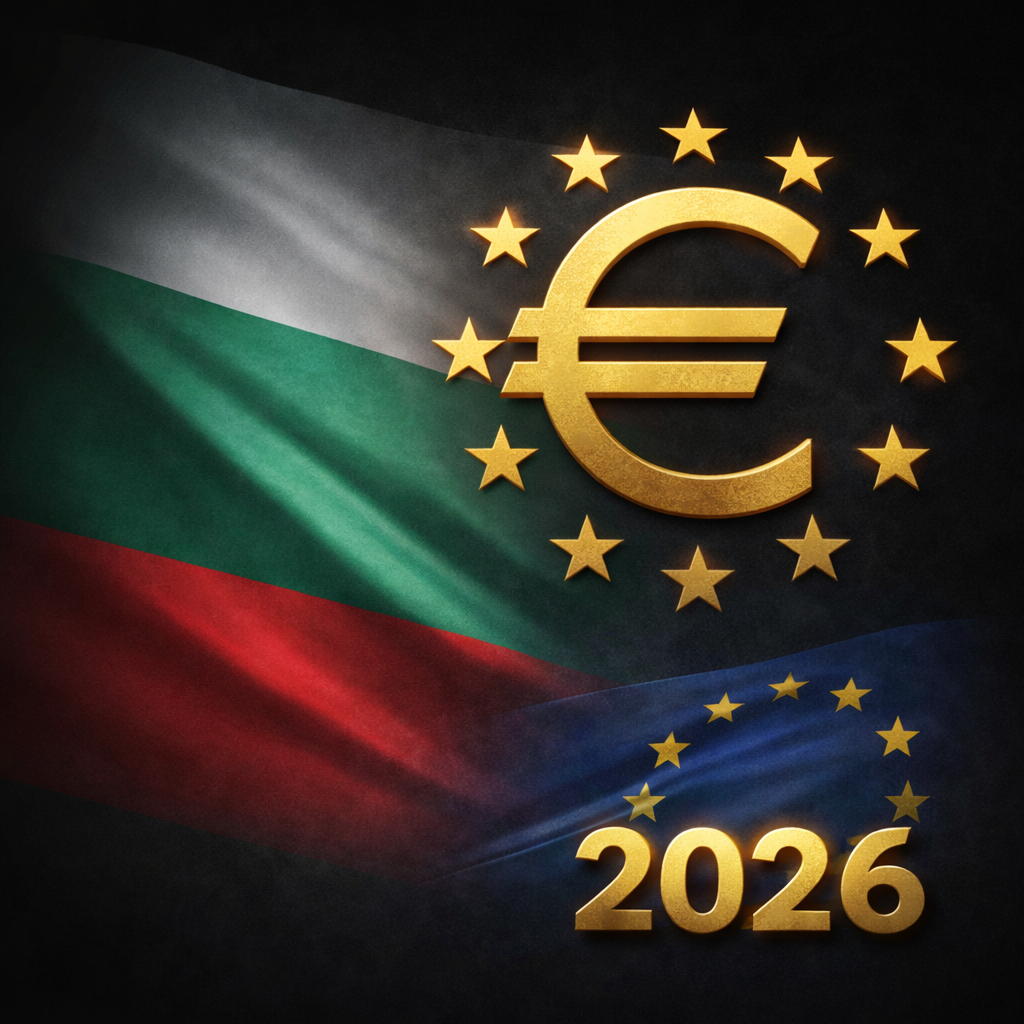
In January 2026, Bulgaria joined the euro area, closing an important stage of its economic development.
For the real estate market, especially along the Black Sea coast, this marks the beginning of changes that have already been observed in other European Union countries.
Property prices in Bulgaria still remain among the lowest in the EU. However, the experience of countries that adopted the euro earlier clearly shows that such a market window does not last long.
What changes with Bulgaria joining the euro area
From the moment the common currency is adopted, the real estate market becomes more transparent and easier to compare with other EU markets.
Currency risk disappears and prices begin to be perceived directly in euro, just like in other euro area countries.
In practice, this leads to growing interest from foreign buyers and a gradual adjustment of prices toward levels known from neighboring markets.
How real estate markets reacted after adopting the euro in other EU countries
The experience of countries that previously joined the euro area shows a very similar pattern of changes:
-
increased interest from foreign buyers
-
rapid disappearance of the best offers
-
gradual catching up of prices with neighboring markets
These are not sudden jumps from one day to the next, but several months of systematic changes that eventually establish a new price level.
Poland and Bulgaria – why this comparison makes sense today
For many buyers from Poland, this comparison is natural.
In major Bulgarian cities such as Sofia or Varna, apartment prices have already approached levels known from many Polish cities.
At the same time, the Black Sea coast remains one of the last market segments in the EU where holiday apartments are still available at prices that, especially on the Polish coast, are now very rare.
What we currently see in offers along the Bulgarian coast
Based on current listings and conversations with property owners, the market is clearly entering a transitional phase:
-
some sellers list properties before the season
-
owners without time pressure increasingly hold back sales, expecting higher prices
-
the number of the most attractive offers is gradually decreasing
In practice, this means that good locations disappear faster than one or two years ago.
What Bulgaria does not yet have – but cannot be ruled out
As of today:
-
no mass institutional capital
-
prices still lower than in Spain or Portugal
-
no full seasonal revaluation of the market
At the same time, early signals of change are already visible, similar to those that preceded lasting price increases in other countries.
Frequently asked questions
Does joining the euro area automatically increase property prices?
Not immediately. However, experience from other countries shows that within several to a dozen months, the market gradually adjusts to a new price level.
Is it better to buy now or wait?
Transitional periods usually offer a wider choice. After the season starts, supply decreases and sellers` price expectations increase.
Can prices in Bulgaria catch up with Polish coastal cities?
In the largest Bulgarian cities, this process is already visible. The Black Sea coast still remains a segment with relatively lower prices, although this gap is gradually narrowing.
A broader investment context and current arguments in favor of purchasing property in Bulgaria are also presented in our guide: Why invest in Bulgaria.
Current offers and information
Apartments for sale in Bulgaria:
https://en.ilspoland.com/real-estates/bulgaria
Purchase procedures and costs:
https://en.ilspoland.com/real-estates/bulgaria/procedures-coasts
Legal notice
This material is for informational purposes only and does not constitute investment advice.
The data presented is comparative and indicative.


Bulgaria after euro 2026-low property prices by the sea
Where do you like to live?
 Real Estates in Bulgaria
 Real Estates in Egypt
 Real Estates in Portugal
 Real Estates in Spain
 Real Estates in Turkey
 Real Estates in Germany
 Real Estates in Greece
 Real Estates in Brazil
 Real Estates in U.S.
 Real Estates in Poland Real Estates in Szczecin - Poland Estates by the sea - Poland


News 

Bulgaria after euro 2026-low property prices by the sea
Apartments in Bulgaria after joining the euro area (2026) In January 2026, Bulgaria joined the euro area, closing an important stage of its economic development. For the real estate market, especially along the Black Sea coast, this marks the beginning of changes that have already been observed in other European Union countries. Property...Events

We were awarded the Certificate of Trustworthy Company 2023
In June 2023 ILS POLAND GROUP was once again awarded by the Customer Opinion Research Center (CBOK), this time with the certificate: "Trustworthy Company 2023". The certificate is awarded once a year by CBOK to companies for the exemplary quality of services provided and a distinctive approach to the c...


